Table of Contents
An integral part of experiencing injury is feeling different from others, whether or not the trauma was an individual or team experience. Survivors commonly think that others will certainly not completely understand their experiences, and they might think that sharing their feelings, thoughts, and responses associated to the trauma will certainly drop short of assumptions.

The kind of trauma can dictate how a specific feels different or believes that they are various from others. Traumas that produce pity will certainly frequently lead survivors to feel even more pushed away from othersbelieving that they are "damaged items." When individuals think that their experiences are unique and incomprehensible, they are more probable to seek support, if they look for support in any way, only with others who have experienced a comparable trauma.
Triggers are frequently connected with the moment of day, period, holiday, or anniversary of the occasion. A flashback is reexperiencing a previous distressing experience as if it were really occurring in that minute. It includes responses that usually appear like the customer's responses during the injury. Flashback experiences are extremely quick and usually last just a few seconds, however the psychological side effects stick around for hours or longer.
Childhood Trauma Therapy via Eye Movement Desensitization and Reprocessing
Other times, certain physical states enhance an individual's susceptability to reexperiencing an injury, (e.g., exhaustion, high stress levels). Recalls can really feel like a brief film scene that intrudes on the customer.
If a customer is caused in a session or throughout some element of treatment, aid the customer emphasis on what is taking place in the right here and currently; that is, make use of grounding methods., for even more grounding techniques).
Afterward, some customers require to discuss the experience and understand why the flashback or trigger took place. It usually aids for the client to attract a link in between the trigger and the stressful occasion(s). This can be a preventative strategy whereby the customer can anticipate that a given situation positions him or her at higher threat for retraumatization and calls for use of coping approaches, including seeking assistance.
Why EMDR Therapy Treats Emergency Professionals with Occupational PTSD
Dissociation is a mental process that cuts connections amongst an individual's ideas, memories, feelings, actions, and/or sense of identification. Most of us have actually experienced dissociationlosing the capacity to remember or track a specific activity (e.g., getting to job but not bearing in mind the last mins of the drive). Dissociation takes place since the individual is participated in an automated activity and is not paying attention to his/her prompt environment.
Dissociation helps distance the experience from the person. People who have actually experienced serious or developing injury may have discovered to divide themselves from distress to make it through.
In non-Western societies, a sense of alternate beings within oneself may be interpreted as being populated by spirits or ancestors (Kirmayer, 1996). Various other experiences associated with dissociation consist of depersonalizationpsychologically "leaving one's body," as if watching oneself from a range as a viewer or with derealization, resulting in a sense that what is happening is unfamiliar or is not actual.
Preparation Installation In Preparation For EMDR Therapy in Calgary, AB
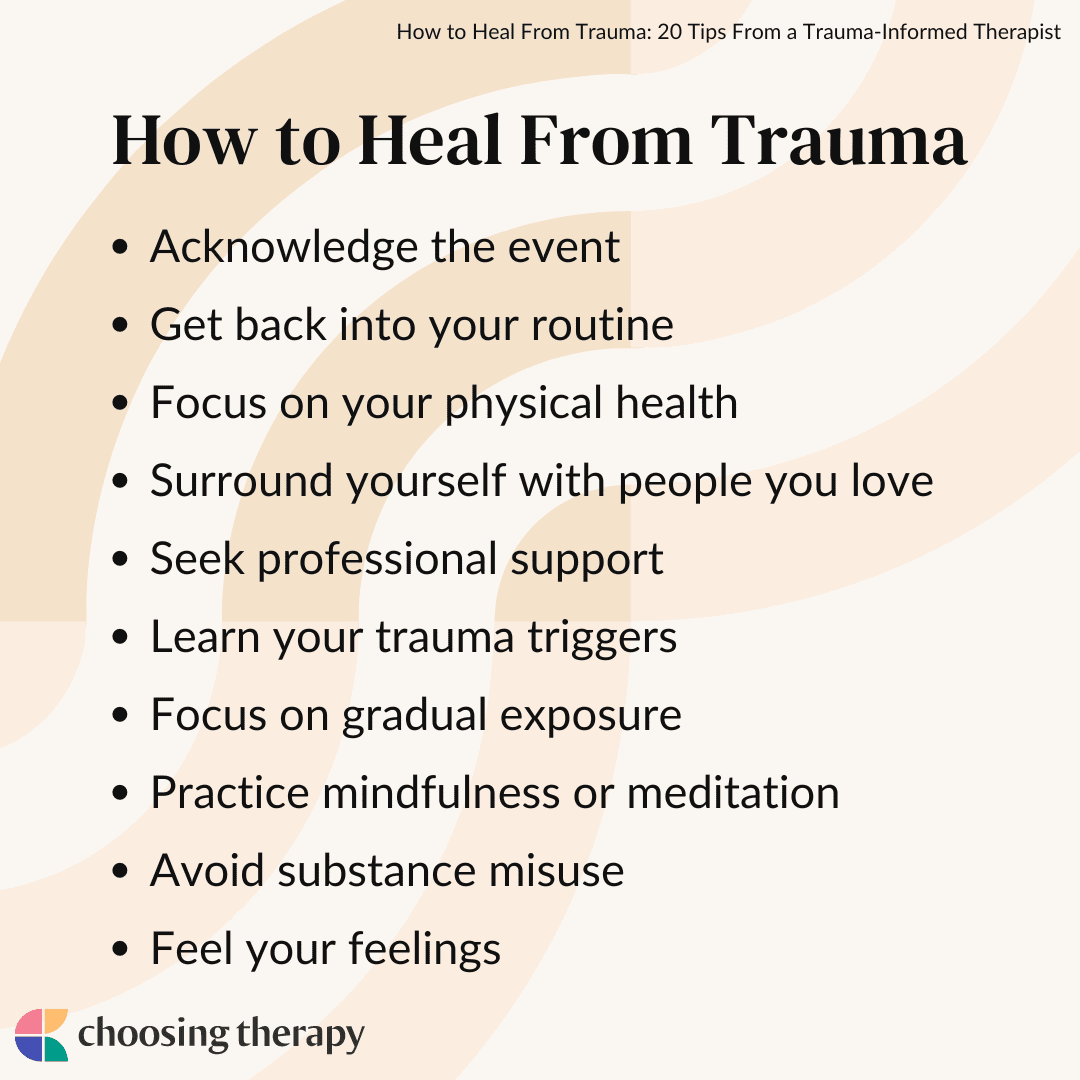
One significant long-term effect of dissociation is the difficulty it triggers in attaching solid psychological or physical reactions with an event. Usually, individuals might believe that they are going bananas because they are not in touch with the nature of their responses. By enlightening clients on the resilient high qualities of dissociation while additionally highlighting that it stops them from dealing with or validating the injury, people can begin to understand the function of dissociation.
Stressful tension responses differ commonly; frequently, individuals participate in habits to handle the effects, the strength of emotions, or the distressing elements of the distressing experience. Some individuals reduce stress or tension through avoidant, self-medicating (e.g., alcohol abuse), compulsive (e.g., eating way too much), impulsive (e.g., risky habits), and/or self-injurious behaviors. Others might try to acquire control over their experiences by being hostile or subconsciously reenacting aspects of the trauma.
Often, self-harm is an effort to deal with emotional or physical distress that appears frustrating or to deal with an extensive feeling of dissociation or being entraped, helpless, and "damaged" (Herman, 1997; Santa Mina & Gallop, 1998). Self-harm is related to previous childhood years sexual assault and other kinds of injury in addition to material abuse.
Treating Anxiety Disorders through EMDR Therapy through Anxiety therapy
Enhanced dedication to a personal objective. Revised concerns. Raised philanthropic providing and volunteerism. Marco, a 30-year-old guy, sought therapy at a local mental health center after a 2-year spell of anxiety signs and symptoms. He was an energetic member of his church for 12 years, but although he sought aid from his priest about a year back, he reports that he has had no call with his priest or his church because that time.
He explains her as his soul-mate and has had a hard time comprehending her activities or just how he can have avoided them. In the initial intake, he pointed out that he was the very first individual to find his better half after the suicide and reported feelings of betrayal, pain, rage, and destruction considering that her fatality.

Table of Contents
Latest Posts
Advantages of Emotional Safety throughout Counseling Services for Recovery
Eye Movement Desensitization and Reprocessing Intensives: When Clients Should Understand
Dialogue Tools That Acceptance and Commitment Therapy Transform Relationships
Navigation
Latest Posts
Advantages of Emotional Safety throughout Counseling Services for Recovery
Eye Movement Desensitization and Reprocessing Intensives: When Clients Should Understand
Dialogue Tools That Acceptance and Commitment Therapy Transform Relationships